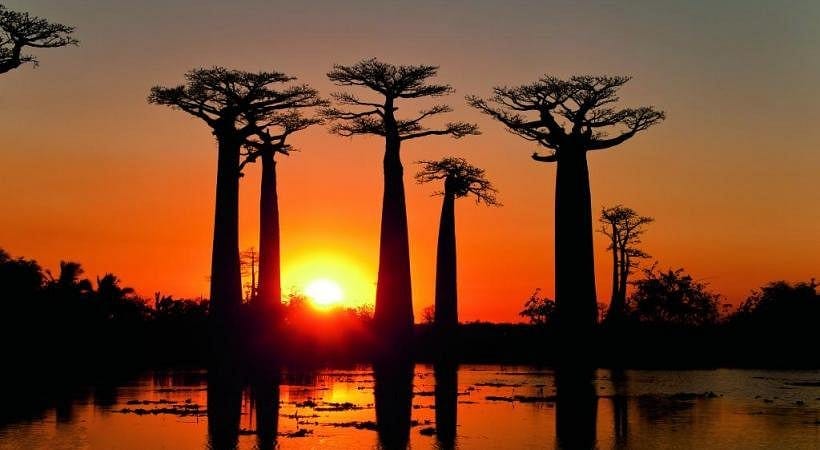
Malagasy Culture and Traditions
Culture Guide

Malagasy Culture and Traditions

Malagasy culture is deeply connected to family, ancestors, community, respect, oral tradition, music, food, land and local customs.

7 min read
Gallery

Malagasy Culture and Traditions

Travel Guide Details

What You Need to Know

Malagasy culture is deeply connected to family, ancestors, community, respect, oral tradition, music, food, land and local customs. Traditions can change from one region to another, so travelers should always follow local guidance and ask before photographing ceremonies or private moments.

Fihavanana is one of the most important Malagasy values. It expresses solidarity, mutual respect, family connection, hospitality and the responsibility to maintain good relationships within the community.

Fady are local taboos or prohibitions. They can concern food, clothing, behavior, sacred places, lakes, forests, tombs or certain days. Respecting fady is essential when visiting villages, parks and cultural sites.

Famadihana, often translated as the turning of the bones, is a family ceremony connected to ancestors in parts of Madagascar. It can include music, speeches, family reunion and respect for ancestral memory. It is a private and meaningful event, not a tourist show.

Fora zaza refers to circumcision traditions for boys and can be celebrated with family gatherings, blessings and local customs. In some regions, especially among Antambahoaka communities, Sambatra is a major collective circumcision celebration held with strong cultural importance.

Kabary is a formal Malagasy speech tradition used during ceremonies, weddings, family events and official gatherings. It values respectful language, proverbs, eloquence and social harmony.

Hira gasy is a traditional performance combining music, dance, storytelling, moral messages and colorful costumes. It is especially associated with the Highlands and remains an important cultural expression.

Zebu are important in Malagasy rural life, agriculture, ceremonies and social identity. They can represent wealth, respect, family responsibility and connection to ancestral traditions.

Markets, weaving, wood carving, basketry, embroidery, spices, vanilla, cacao and local food all show everyday Malagasy creativity. Visiting markets with a guide helps travelers understand prices, etiquette and regional products.

Traveler Notes

Common Questions

Sometimes, but only with invitation or local permission. Family ceremonies are personal, so travelers should be discreet and respectful.

Always ask first, especially near ceremonies, tombs, elders, children, sacred places and private homes.

Avoid entering sacred areas without permission, touching tombs, ignoring fady, interrupting ceremonies or treating traditions as entertainment.

A local guide explains regional customs, translates social meaning, helps visitors behave respectfully and creates better encounters with communities.

Keep Reading

More Travel Guides

Best Time to Visit Madagascar
Season Guide

Best Time to Visit Madagascar

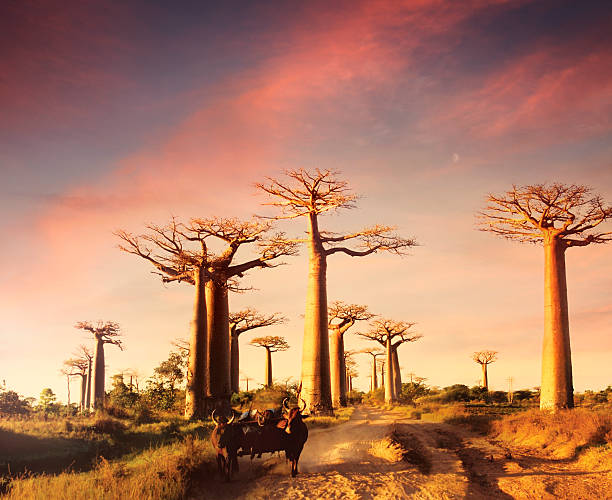
The best time to visit Madagascar depends on your route, travel style and the regions you want to include. Road access, beach weather, wildlife observation, whale watching and photography conditions all change during the year.
5 min readOpen guide →
Tsingy de Bemaraha Travel Guide
Western Madagascar

Tsingy de Bemaraha Travel Guide

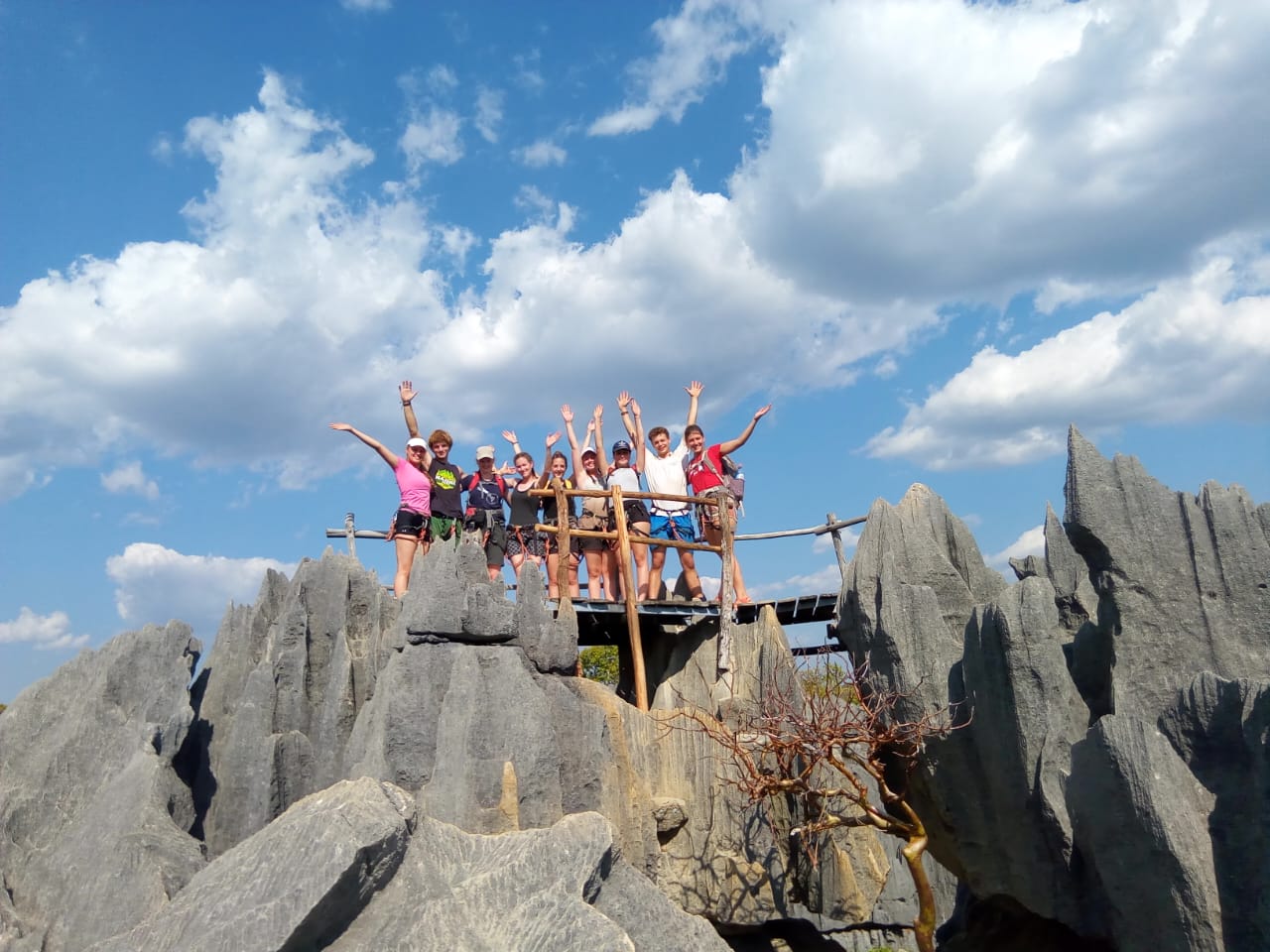
Tsingy de Bemaraha is one of Madagascar’s most extraordinary landscapes. Its limestone pinnacles, caves, canyons, viewpoints and suspension bridges create a dramatic adventure that is often the highlight of a western Madagascar tour.

6 min readOpen guide →
Ready to Go?

Turn This Guide Into Your Trip

Tell us your dates and interests — we will design a private itinerary that includes what inspired you in this article.