Entry Basics
Visa fees, passport validity, e-visa timing and arrival preparation.
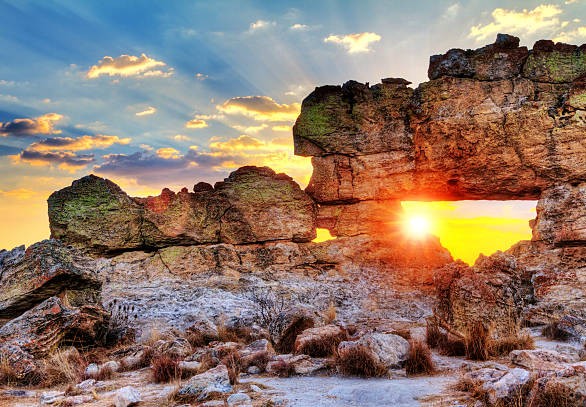
Plan your private Madagascar journey with clear answers about entry requirements, e-visa timing, health, money, seasons, routes, 4x4 travel, local guides and booking support.
Use this guide to prepare a realistic and comfortable Madagascar journey: entry formalities, health preparation, route planning, seasonal advice, accommodation choices, responsible travel, private tours and car rental with driver.
Visa fees, passport validity, e-visa timing and arrival preparation.
Choose realistic circuits by season, road access and travel rhythm.
4x4 routes, car rental with driver and safe road planning.
Respect wildlife, local guides, communities and protected areas.
A good first trip usually needs 10 to 15 days for one strong route. If you want to combine several regions, add beaches or include remote areas such as Tsingy de Bemaraha, Andavadoaka or Fort Dauphin, a longer itinerary is more comfortable.
Yes. Private tailor-made itineraries can be designed around your travel dates, interests, comfort level, number of travelers, favorite destinations and preferred rhythm. This keeps the route realistic and avoids rushed travel days.
Madagascar is beautiful but complex to plan. Distances are long, roads can be slow, and some routes depend strongly on season and vehicle type. Local advice helps you choose realistic timing, better overnight stops and the right transport.
Yes. Many travelers start with only a few ideas. We can compare the west, east, south, north, highlands and islands, then recommend a route that fits your number of days, season and travel style.
Most international visitors need a tourist visa for Madagascar. Depending on your nationality and travel plan, it can usually be arranged online before departure or on arrival at an international airport.
Travelers commonly choose between a visa on arrival at the airport and an online e-visa before travel. For a smoother arrival, the online option is often more comfortable because it reduces waiting time at the airport queue.
Visa fees: ~$37 (15 days), ~$43 (30 days), ~$58 (60 days).
Keep a small amount of cash ready for airport formalities and confirm final fees before travel, as fees may be updated by authorities.Passport valid 6 months minimum.
Also check that your passport has blank pages for immigration stamps.E-visa processing: 3-5 business days.
Apply early enough to avoid last-minute stress before departure.Prepare your passport, visa approval or visa payment documents when applicable, proof of onward or return travel, accommodation or tour information, and any document requested by the official visa system. Keep printed and offline digital copies.
Before visiting Madagascar, speak with a travel medicine professional. Commonly discussed preparations include Hepatitis A, Typhoid, routine boosters such as tetanus-diphtheria-polio, Hepatitis B for longer stays and rabies for rural travel or close animal contact.
Malaria prevention should be discussed with a doctor, especially if your itinerary includes coastal regions, lowland areas or remote parks. Good mosquito protection is important: repellent, long sleeves when needed and suitable accommodation precautions.
A practical kit may include basic first aid, pain relief, oral rehydration salts, stomach-care medicine, motion-sickness or anti-nausea support for long 4x4 drives, hand sanitizer, bandages and your personal prescriptions. Carry important medicines in your hand luggage.
Travel insurance is strongly recommended for Madagascar because distances are long and some destinations are remote. Choose a policy that covers medical care, hospitalization, evacuation, trip changes, baggage issues and personal liability abroad.
Your policy should include medical emergencies, hospital treatment, medical evacuation, trip cancellation or interruption, lost or delayed baggage, and adventure activities such as trekking, kayaking or diving when they are part of your itinerary.
The local currency is the Malagasy Ariary. Cash is very important outside major cities, especially in villages, remote parks and small restaurants. ATMs are available in larger towns, but you should not rely on them in isolated areas.
Yes. Keep enough cash for personal expenses, small purchases, tips, local meals, market stops and unexpected needs. Some hotels may accept euros or dollars, but Ariary remains the most practical currency for daily travel.
Local SIM cards are widely used by travelers. Telma, Orange and Airtel are common options, with coverage varying by region. Wi-Fi is available in many hotels and lodges, but speed and reliability can change outside towns.
For many travelers, April to November is the most practical and comfortable period because roads are usually easier and many national parks are more accessible. The dry season is especially suitable for Tsingy de Bemaraha, Avenue of the Baobabs, Kirindy, RN7, Isalo and many northern routes. July to September is also popular for whale watching around Sainte-Marie.
The rainy season usually brings heat, lush vegetation and more difficult road conditions. Some secondary roads can become very slow or temporarily impassable, especially in remote regions. Cyclone risk is also higher on parts of the east coast during the wettest months.
Yes. The highlands are cooler, the east is humid and often rainy, the west is generally hotter and drier, and the south can be very dry and hot. Madagascar has several climate zones, so packing should match your route.
Madagascar offers several accommodation categories: simple/budget, mid-range, comfort, luxury and mixed-category stays. Options can include hotels, eco-lodges, guesthouses, campsites and homestays. The best choice depends on your destination, budget, route difficulty and preferred travel style.
Advance booking is recommended during high season, especially from July to September. Lodges near national parks, Tsingy de Bemaraha, island destinations and popular beach areas can fill quickly.
Yes. A tailor-made trip can combine comfortable hotels, nature lodges, simple local guesthouses or special stays depending on your budget and expectations. The goal is to keep the route realistic and comfortable.
RN7 is a strong first-trip route because it combines highlands, rainforest, culture, lemurs, Isalo canyons and beaches. Western Madagascar is best for Baobabs, Kirindy and Tsingy. Andasibe is excellent for travelers with limited time who want rainforest and Indri lemurs.
Yes. This is one of the classic western Madagascar circuits. Morondava is the usual base, with Avenue of the Baobabs, Kirindy Forest and Tsingy de Bemaraha combined in a private 4x4 itinerary.
Yes. A strong northern itinerary can include Diego Suarez, Amber Mountain, Ankarana, Red Tsingy and Emerald Sea, then continue to Nosy Be and nearby islands such as Nosy Komba, Nosy Sakatia, Nosy Tanikely or Nosy Iranja.
Yes. Routes can be compared by travel style. Wildlife travelers may prefer Andasibe, Ranomafana, Kirindy or Berenty. Adventure travelers often choose Tsingy or remote western routes. Beach travelers can add Nosy Be, Sainte-Marie, Ifaty, Anakao or Andavadoaka.
Bring comfortable clothing, walking shoes, sun protection, insect repellent, a light jacket for the highlands, swimwear for beaches, a reusable water bottle, camera, power bank, personal medicine and copies of important documents.
Yes. Most national parks and reserves are visited with local guides. They help with wildlife spotting, safety, trail interpretation, local rules and understanding the natural environment.
Yes. Families can enjoy easy wildlife and flexible private touring. Honeymooners can combine unique landscapes with beaches and charming lodges. Photographers can focus on Baobabs, Tsingy, lemurs, Isalo, coastlines, villages and sunset light.
Choose local guides, support locally owned services, reduce plastic waste, respect wildlife distances and follow park rules. Responsible travel helps protect nature while supporting the communities who live around protected areas.
Never buy protected animals, plants, shells, coral or products that may come from endangered wildlife. When in doubt, choose crafts and souvenirs made legally by local artisans.
Madagascar is famous for extraordinary biodiversity and many species found nowhere else. Good tourism can create income for local people and support conservation, while careless behavior can damage fragile ecosystems.
For many routes, yes. A 4x4 is strongly recommended for western Madagascar, Tsingy de Bemaraha, remote beaches, difficult tracks and some national park access roads. Easier classic routes may use a comfortable SUV or group vehicle depending on the season and road conditions.
Yes. You can request a vehicle with a professional driver for airport transfers, city tours, national park circuits, western routes, RN7, northern routes or longer tailor-made journeys. A local driver understands road timing, fuel stops, ferries, villages, road conditions and safe driving habits.
Common options include Toyota Land Cruiser, Nissan Patrol, Toyota Prado, Toyota Fortuner, Mitsubishi Pajero, Hyundai Terracan, Hyundai Galloper and Hyundai Starex. Hyundai Starex 4WD or Starex H1 can be good for families or groups because they offer more seats and luggage space. For rougher routes, groups may need several 4x4 vehicles.
Before a long circuit, check that the vehicle type matches the route, tires are in good condition, brakes and lights work properly, the spare wheel is ready, basic road tools are available, insurance is clear and fuel planning is realistic for remote regions.
No. Night driving should generally be avoided. Roads may have potholes, pedestrians, bicycles, zebu, carts and unlit vehicles. Long transfers are best planned during daylight with realistic travel times.
Before traveling, save local emergency numbers and keep them accessible offline. Common contacts include Police: 17 or 117, Fire department: 18 or 118, Ambulance: 15, and Gendarmerie: 17.
Keep your embassy or consulate contact, your travel insurance emergency line, hotel or lodge contacts, your local guide or driver and your tour operator contact available offline before departure.
Send your travel dates, number of travelers, arrival and departure city, preferred regions, travel style, comfort level and budget idea. With those details, a realistic route, vehicle recommendation and private quotation can be prepared.
Your request is reviewed, a realistic route is suggested, the right vehicle or services are recommended, and a proposal is prepared. You can adjust the itinerary together before final confirmation.
Payment details, deposit conditions, balance timing and cancellation terms should be confirmed in writing before booking. Use secure and verified payment methods only, and keep a copy of your confirmation documents.
Yes. A tailor-made trip can focus on wildlife, photography, culture, beaches, trekking, family travel, honeymoon comfort or adventure routes. The itinerary is adjusted to your pace and expectations.
The service is focused on private tours, tailor-made itineraries and car rental with driver. Private travel gives more flexibility, comfort and better timing across Madagascar.
Use the contact section, email or WhatsApp. Send your dates, number of travelers, route idea and main questions so the reply can be specific and useful.
Before the trip, support may include route recommendations, season advice, itinerary planning, vehicle guidance, accommodation level suggestions and answers to traveler questions. This helps make the journey clearer and more reassuring.
During a private journey, local support can help with timing, route adjustments, hotel coordination, driver communication and practical questions. This is especially valuable when road or weather conditions change.
Madagascar rewards travelers who prepare well: choose the right season, plan realistic road distances, protect your health, save important contacts and travel with local support when routes become remote.
Check your visa, prepare a passport valid 6 months minimum, allow 3-5 business days for e-visa processing, arrange travel insurance, carry cash and choose the right vehicle for your route.
For private circuits, the best itinerary is always adapted to your dates, season, interests and travel rhythm.A professional FAQ should not replace human contact. It should make travelers feel informed, then invite them to ask for a personal recommendation or private quotation.
Reach out directly for a personal answer about your Madagascar plans.
After reading the FAQ, the next step is easy: send your dates, interests and dream destinations, and we will help design a private tour that fits your travel project.