Planning Advice
Seasons, road timing, itinerary design, and realistic travel pace.
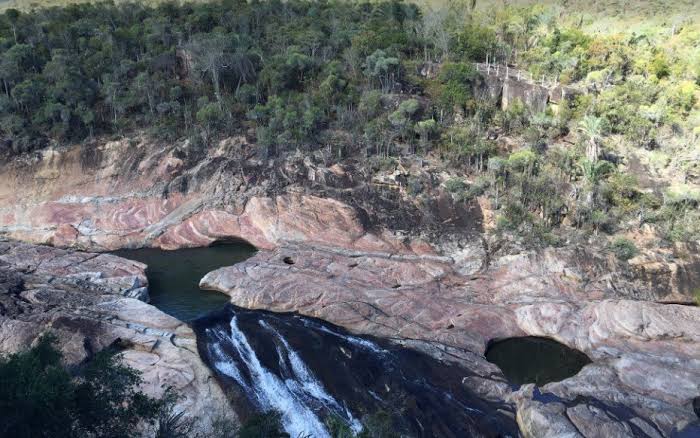
Practical guides on seasons, destinations, car rental, culture and Malagasy food to help you plan a realistic and authentic private Madagascar journey.
Madagascar is a destination of long journeys, rare wildlife, remote landscapes, generous culture, and unforgettable local encounters. This blog helps travelers understand the island before arrival, so they can choose the right season, route, vehicle, parks, beaches, food and experiences with more confidence.
Seasons, road timing, itinerary design, and realistic travel pace.
Detailed information about Madagascar’s main parks, regions, beaches, and circuits.
Vehicle recommendations for western tracks, RN7, northern routes, groups, and families.
Malagasy meals, rice culture, local snacks, drinks, restaurants, lasary and sakay.
Start with the subject that matches your trip: season, Tsingy, western route, car rental, RN7 and the south, rainforest, the north, north-west islands, or culture. Each guide opens on its own page with a full photo gallery.
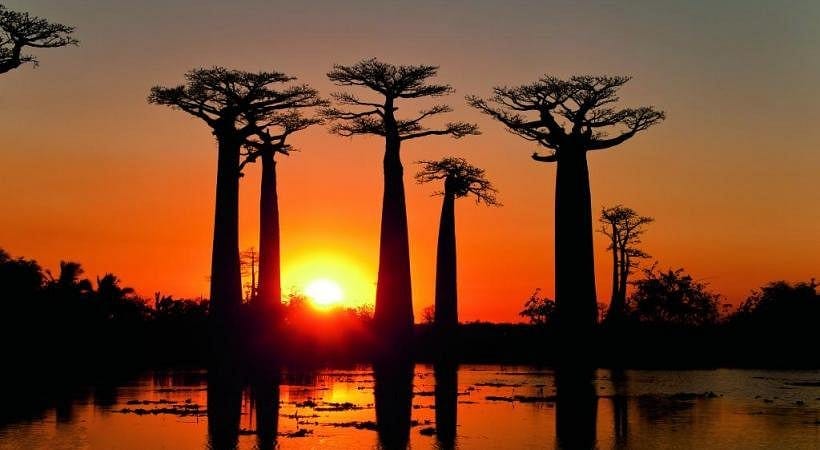
The best time to visit Madagascar depends on your route, travel style and the regions you want to include. Road access, beach weather, wildlife observation, whale watching and photography conditions all change during the year.
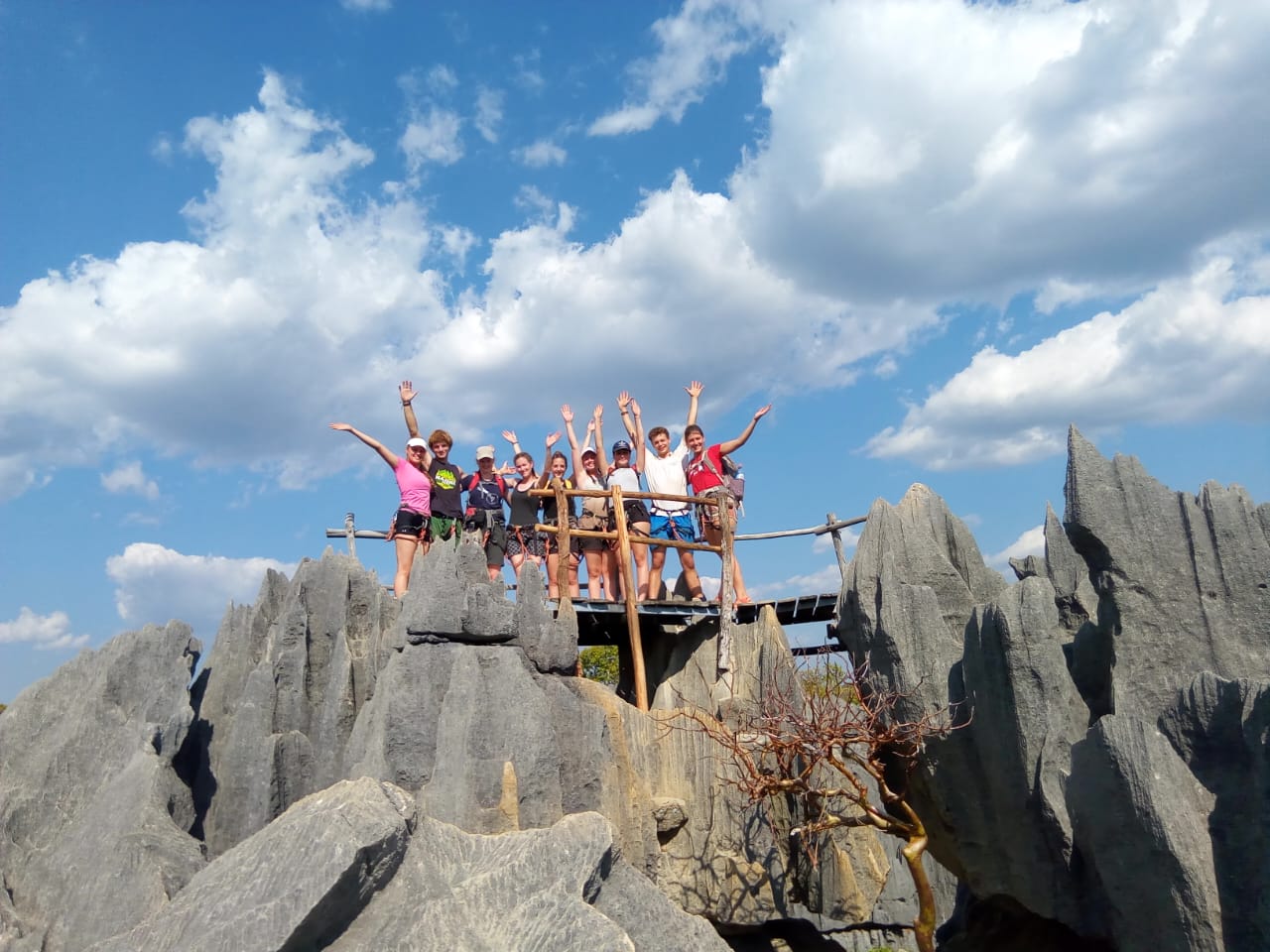
Tsingy de Bemaraha is one of Madagascar’s most extraordinary landscapes. Its limestone pinnacles, caves, canyons, viewpoints and suspension bridges create a dramatic adventure that is often the highlight of a western Madagascar tour.
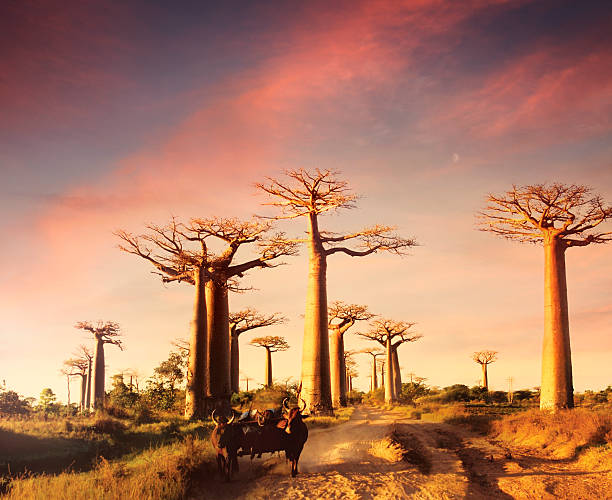
Western Madagascar is one of the most iconic regions of the country. It combines baobabs, dry forests, wildlife, rugged roads, remote villages, coastal lagoons, stone landscapes and some of Madagascar’s most powerful sunsets.
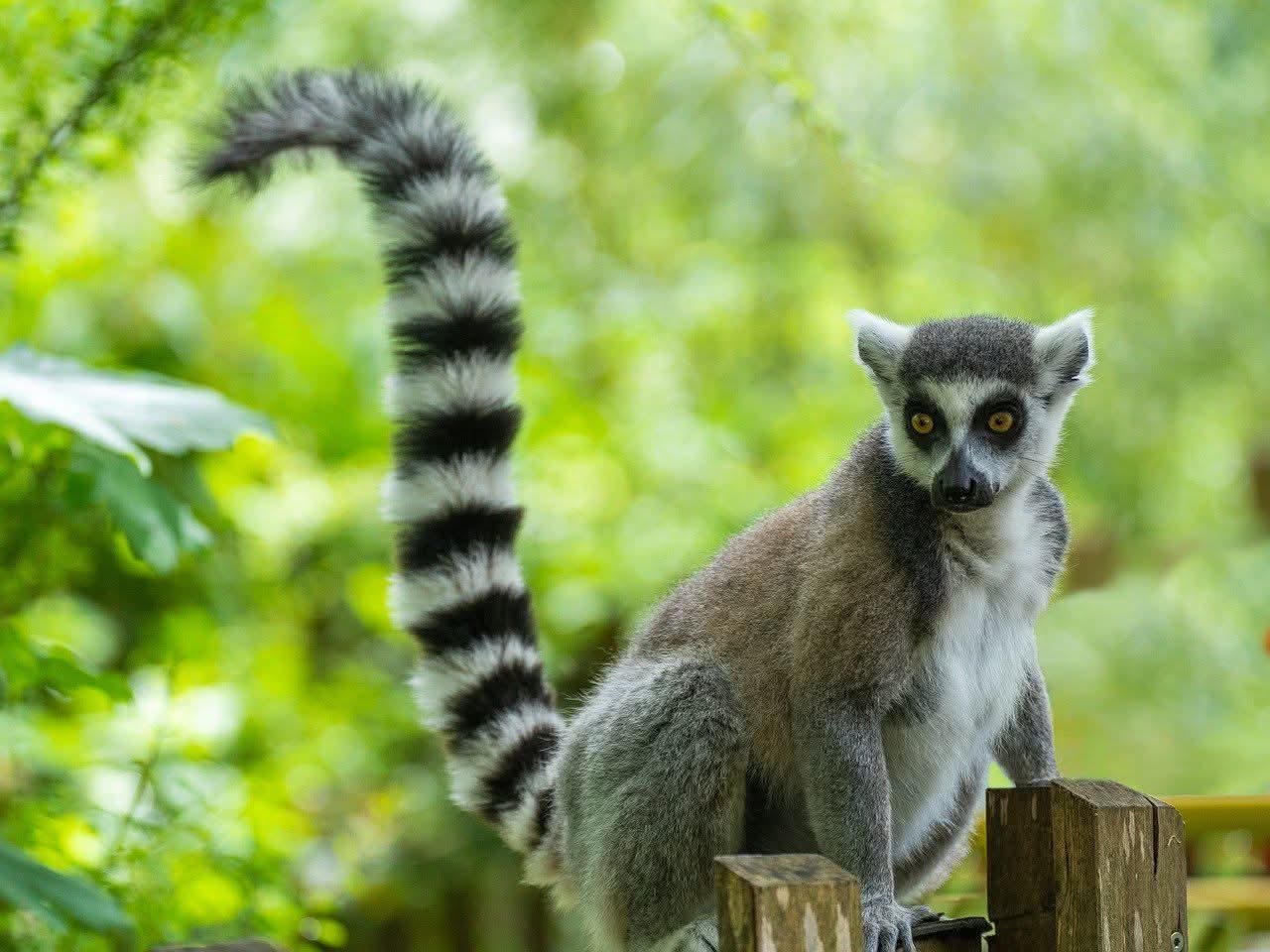
The RN7 and southern Madagascar route links highland towns, rainforest, lemurs, granite mountains, sandstone canyons, beaches, spiny forest and remote lagoons.
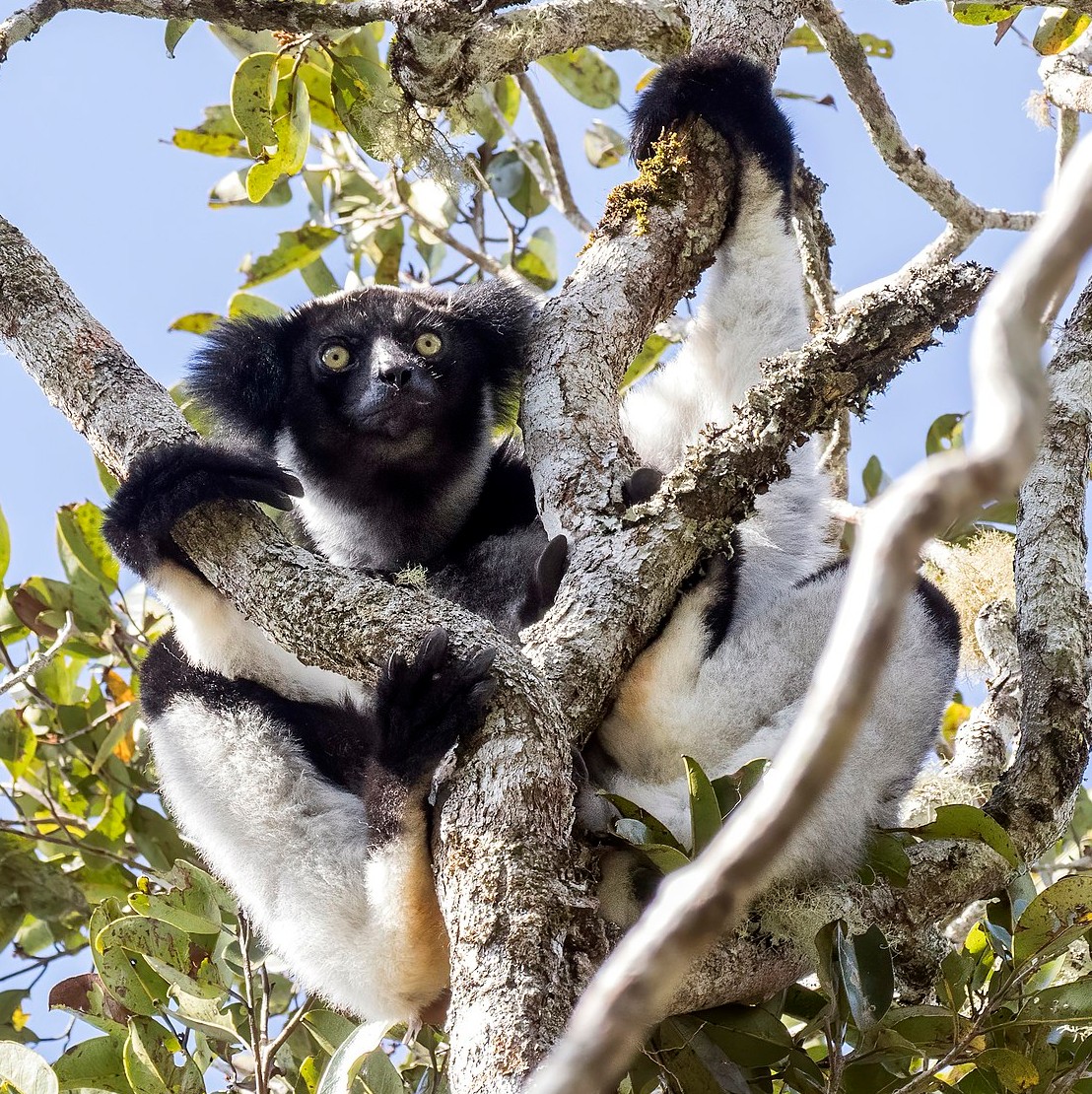
Madagascar is world-famous for wildlife found nowhere else: lemurs, chameleons, frogs, birds, orchids and rainforest landscapes.
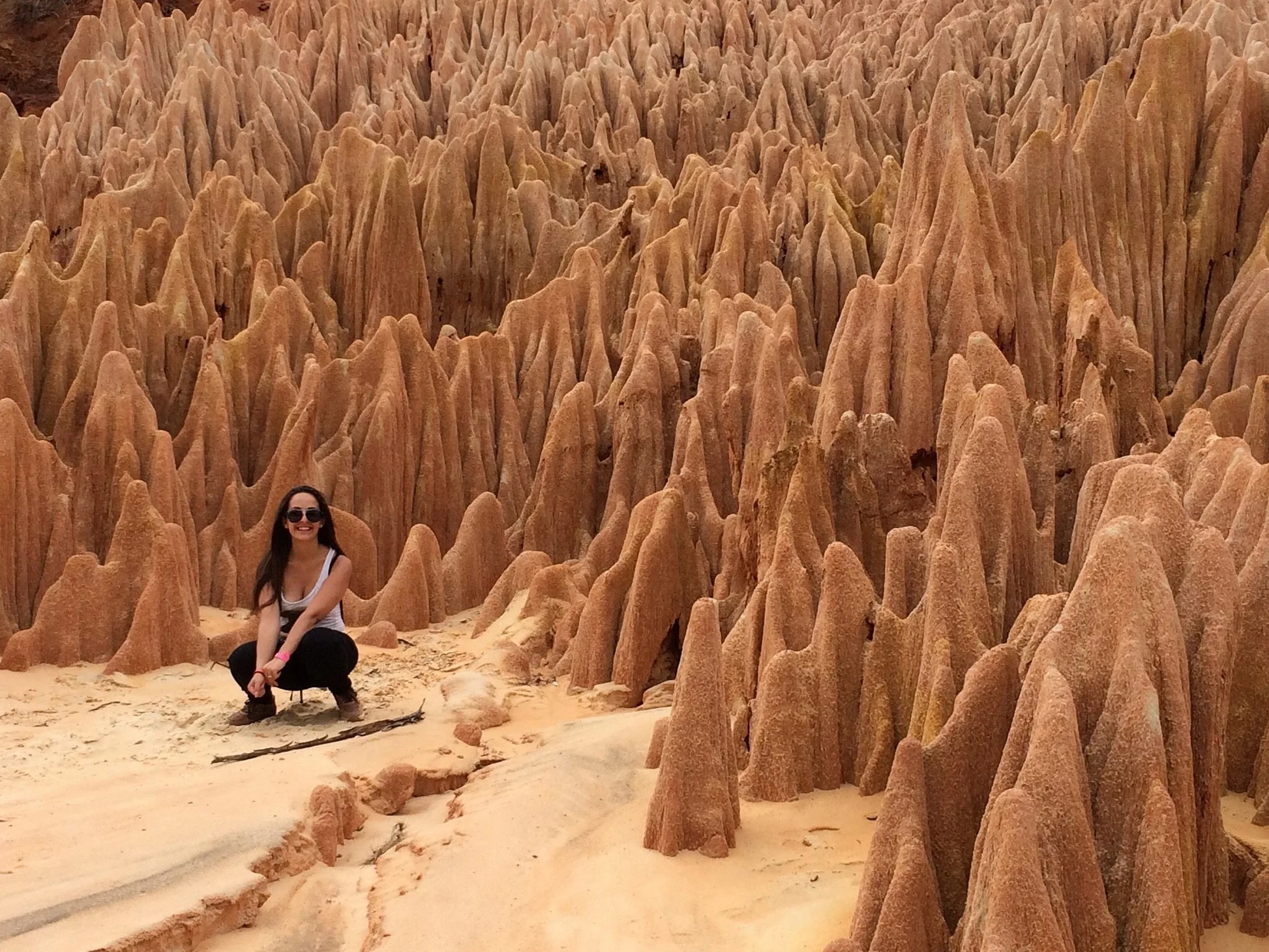
Northern Madagascar combines rainforest, waterfalls, caves, limestone formations, red rock landscapes, bays, turquoise water and remote mountain parks.
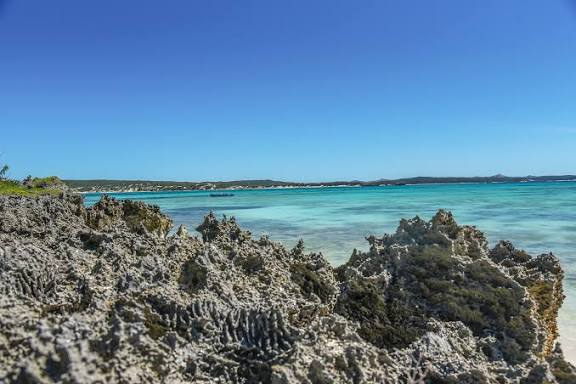
North West Madagascar is ideal for travelers who want islands, beaches, marine life, dry forest, coastal towns, plantations and relaxed tropical atmosphere.
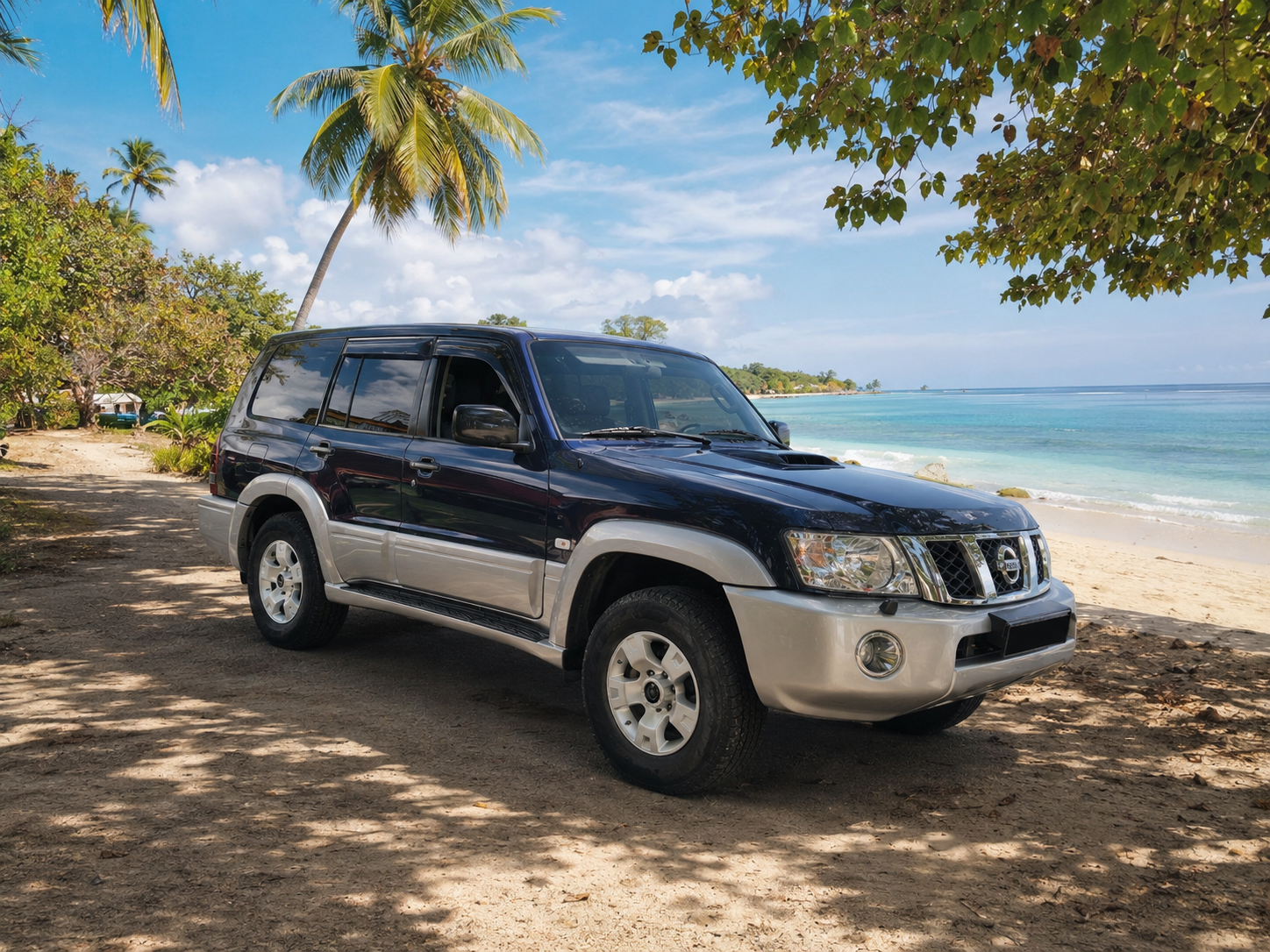
Choosing the right car is one of the most important decisions for a Madagascar trip. Roads vary widely between paved highways, mountain roads, sand tracks, ferry crossings and remote national park access roads.
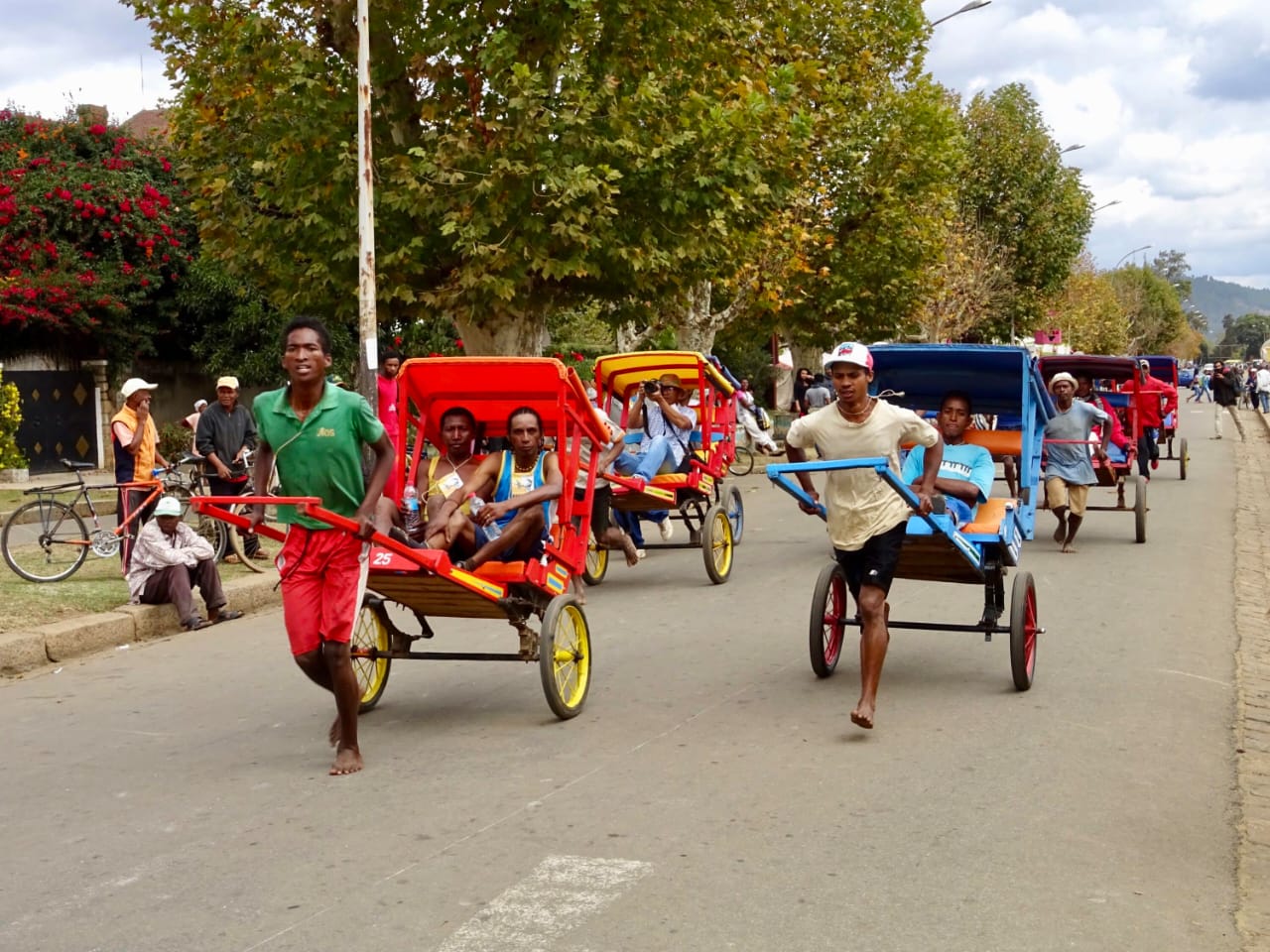
Malagasy culture is deeply connected to family, ancestors, community, respect, oral tradition, music, food, land and local customs.
Malagasy food is strongly connected to rice, home cooking, street snacks, local markets, seafood, grilled meat, coffee, tea, ranovola, lasary and sakay.
Rice is the heart of Malagasy meals. Many Malagasy people eat rice daily, often more than once, and it is usually served with meat, vegetables, beans, broth or sauce.
Romazava is a traditional broth with meat and leafy greens. It is warm, simple and closely connected to home-style Malagasy cooking.
Ravitoto is crushed cassava leaves, often cooked with pork, and is one of the most iconic Malagasy dishes.
Hen’omby is zebu beef, prepared in stews, grills or everyday family dishes across the island.
A hearty pork and bean stew, popular as a comforting home-cooked meal.
Coastal Madagascar offers abundant fresh seafood, from grilled fish to prawns and crab, especially along the west and north coasts.
River and lake fish are common in highland and inland regions, often grilled or cooked in local sauces.
Large prawns, grilled or in garlic butter, are a coastal favorite for travelers and locals alike.
Small grilled meat skewers sold as street food, popular as a quick and flavorful snack.
A traditional street snack, a small fried or griddled cake enjoyed for breakfast or as a snack.
A local sweet snack found at markets and street stalls across Madagascar.
A fried dough snack, part of everyday Malagasy street food culture.
A banana fritter, a popular sweet snack sold by street vendors.
A savory fritter made with leafy greens, common as a street food option.
The Malagasy version of samosas, filled with meat or vegetables and fried until crisp.
A regional street snack enjoyed across local markets.
Malagasy coffee is a daily ritual, often served strong and simple at roadside stalls and markets.
Local tea, commonly enjoyed throughout the day, often alongside street snacks.
A traditional toasted-rice water drink, historically served after meals in Malagasy households.
A fresh pickled condiment made from vegetables or fruit, served alongside main dishes.
A spicy Malagasy chili condiment, used to add heat to almost any meal.
Tell us which topics inspired you — season, Tsingy, the west, RN7, rainforest, the north, islands, or food — and we will help design a private tour around it.